
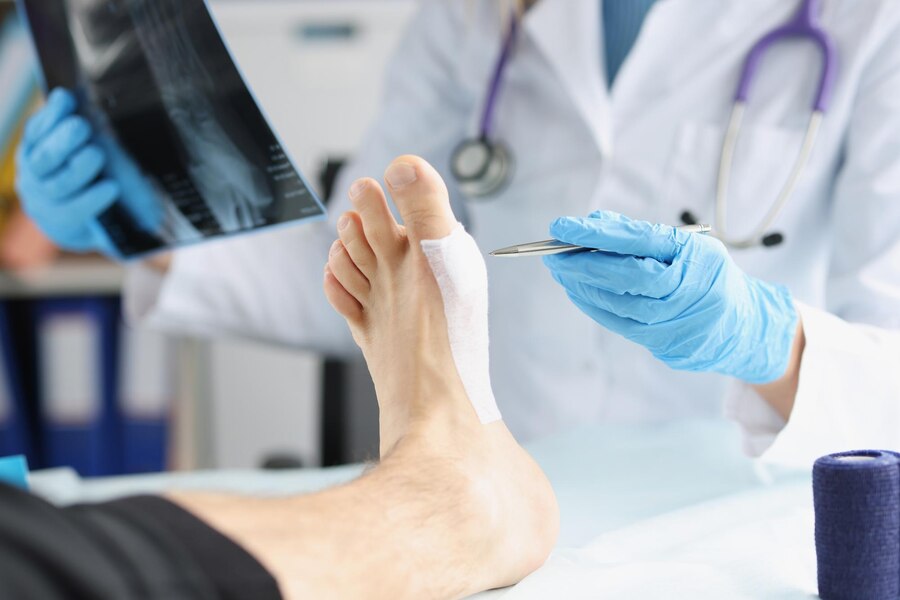
Treatment of diabetic foot and prevention of amputation
Do You Have a Foot Wound That Won’t Heal?
Are you experiencing numbness or persistent pain in your foot?
These could be signs of a diabetic foot, one of the most serious complications of diabetes.
The Key Question:
What is the Best Treatment for Diabetic Foot? Can Amputation Be Prevented?
Diabetic foot treatment is not a quick fix—it is a comprehensive, step-by-step medical journey that starts with choosing the right specialist.
Stages of Diabetic Foot Treatment
1. Removal of Damaged Tissue
The first step includes:
-
Removing dead or infected tissue
-
Proper wound cleaning
-
Eliminating infection
This step is critical to stop the spread of infection.
2. Circulation Assessment
Ensuring proper blood flow through:
-
Blood flow evaluation
-
Duplex ultrasound imaging
If blockages are found, intervention is necessary.
3. Improving Blood Circulation
A key step in treatment:
-
Opening blocked arteries
-
Expanding narrowed vessels
Now commonly done باستخدام minimally invasive catheter techniques:
-
No major surgery
-
Local anesthesia
-
Very small entry point
Procedure includes:
-
Inserting a thin catheter
-
Balloon expansion
-
Stent placement if needed
Patients typically go home the same day.
4. Wound Care & Follow-up
-
Regular dressing changes (2–3 times daily)
-
Continuous monitoring until full healing
After recovery:
-
Medications for nerve and circulation support
-
Use of specialized medical footwear
Is Dressing Change Alone Enough?
No.
Without treating the root cause (poor circulation), this can lead to:
-
Delayed healing
-
Worsening condition
-
Serious complications
Risks of Non-Specialized Treatment
Improper care may result in:
-
Severe infection
-
Disease progression
-
Increased risk of amputation
When is Amputation Necessary?
As a last resort when:
-
Infection spreads extensively
-
Gangrene develops
-
The patient’s life is at risk
Early proper treatment can prevent this outcome.
Can Diabetic Foot Be Prevented?
Blood Sugar Control
-
Healthy diet
-
Regular exercise
-
Medication adherence
Daily Foot Check
-
Inspect feet daily for early detection
Foot Care Tips
-
Dry feet thoroughly
-
Moisturize daily
-
Avoid walking barefoot
-
Wear proper footwear
-
Check shoes before wearing
Regular Check-ups
-
Eye (retina) exam
-
Kidney function tests
-
HbA1c
-
Circulation assessment
Key Takeaway
Successful treatment depends on:
✔ Early diagnosis
✔ Restoring blood flow
✔ Proper wound care
✔ Specialist follow-up
Early intervention can save the foot—and the patient’s life.